
Portsmouth E-Bike Seizures: 5 Things You Should Know to Stay on the Right Side of the Law
Posted by Tony Childs on
If you’ve been cycling around Portsmouth lately, whether you’re commuting down Goldsmith Avenue or taking a breezy ride along the Southsea seafront, you might have noticed a bit more "blue light" activity than usual. No, it’s not just a standard patrol. There’s been a significant crackdown on e-bikes across the city, and it’s left a lot of local riders feeling a bit nervous.
At GC Bike Repairs, we love e-bikes. They’re a game-changer for getting up those rare Hampshire hills (okay, maybe just Portsdown Hill) and making the commute a lot less sweaty. But the recent news about e-bike seizures has sparked a lot of questions in our shop. People are worried that their pride and joy might be confiscated, or worse, that they’re unknowingly breaking the law.
Tony and the team wanted to put together a straightforward guide to clear the air. We’re not here to give you a lecture or bore you with legal jargon. We just want to make sure you can keep riding legally and safely. Here are five things you absolutely need to know to stay on the right side of the law in Portsmouth.
1. The Power and Speed Limits (The 250W Rule)
The first thing the police look at isn't how cool your bike looks, but how much "oomph" it has under the hood. In the UK, for an e-bike to be legally treated like a regular bicycle (which the law calls an EAPC, or Electrically Assisted Pedal Cycle), it has to follow two very specific rules regarding its motor and speed.
First, the motor cannot have a continuous rated power higher than 250 Watts. We see a lot of kits online boasting 750W or even 1000W. While those might sound fun for off-roading on private land, they are completely illegal on Portsmouth’s roads and cycle paths. If your motor is more powerful than 250W, the law views your bike as a moped or a motorbike.
Second, the motor must stop providing assistance once you hit 15.5mph (25km/h). You can pedal faster than that if your legs have the power, but the motor has to cut out. If your bike keeps pushing you along at 20 or 30mph without you breaking a sweat, you’re riding an unregistered motor vehicle, and that’s a one-way ticket to a police seizure.
2. The 'Twist and Go' Throttle Trap
This is where things get a little bit tricky, and it’s a common reason why bikes get pulled over. A lot of people ask us, "Can I have a throttle on my e-bike?"
The short answer is: mostly no, but it depends.
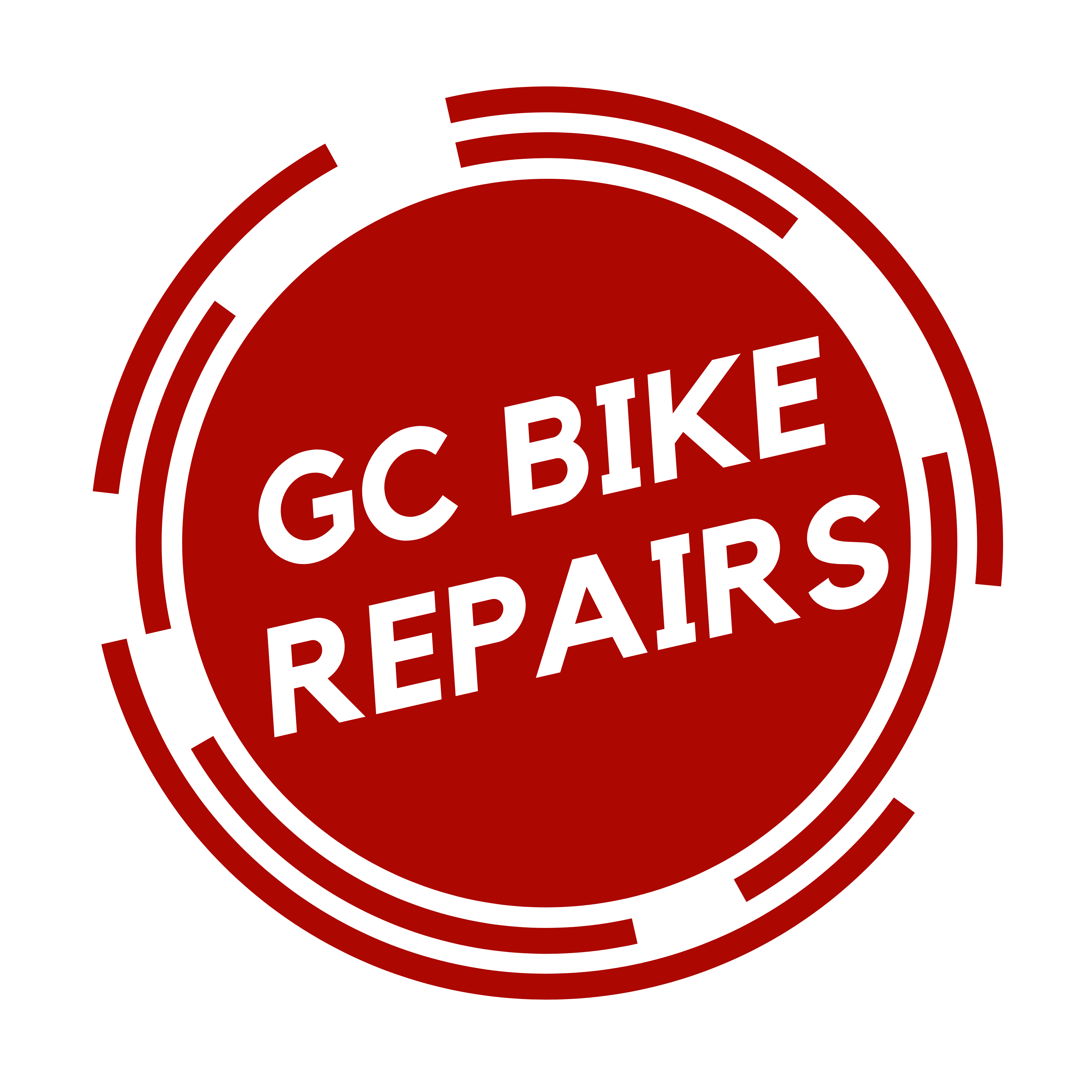
For an e-bike to be legal, the power should mainly come from you pedaling. If your bike has a "twist and go" throttle that can take you up to 15.5mph without you moving your legs at all, it’s likely illegal: unless it was manufactured and bought before January 1, 2016.
Newer bikes are allowed to have "starting assistance" throttles that help you get moving up to about 4mph (6km/h), which is great for those hill starts or getting away from the lights at a busy junction. But if you can cruise all the way down Western Road without moving your pedals, the police will consider that a motor vehicle. This means you’d need a license, insurance, a helmet, and a registered number plate. Without those, the bike can be seized on the spot.
3. Why the Portsmouth Police are Seizing Bikes
You might be wondering, "Why now?" The Portsmouth authorities have seen a rise in "illegal e-bikes" that are essentially high-powered electric motorbikes disguised as bicycles.
The main reasons for the recent seizures are:
- Public Safety: Some of these "ebikes" are reaching speeds of 40mph. On a cycle path or a busy pavement, that’s incredibly dangerous for pedestrians and other cyclists.
- Illegal Conversions: There’s been a flood of cheap, high-powered conversion kits being fitted to standard mountain bike frames that aren't designed to handle the speed or the weight.
- Anti-Social Behaviour: Unfortunately, a small minority of riders are using overpowered bikes to weave through traffic and ignore red lights, which has forced the police to step in.
The police in Portsmouth aren't looking to ruin the fun for legitimate commuters. They are looking for the "stealth" motorbikes that don't meet the EAPC requirements. If your bike looks like a bike, acts like a bike, and follows the 250W/15.5mph rules, you’ve got nothing to worry about.
4. Professional vs. DIY: The Safety Aspect
We get it: buying a ready-made e-bike from a big brand can be expensive. That’s why DIY conversion kits are so popular. However, this is where we see the most trouble at GC Bike Repairs.
A professional conversion, like the ones we offer here at GC, ensures that the motor is compatible with your frame and, more importantly, that your brakes are up to the task. If you’re adding a motor to a bike, you’re increasing the weight and the average speed. Your standard rim brakes might not cut it anymore.
Then there’s the battery safety. Cheap kits often come with uncertified batteries and chargers. We’ve all seen the horror stories in the news about e-bike fires. When we do a professional fitting, we use high-quality, regulated components. We make sure everything is legal, tucked away safely, and won't give the police (or your fire insurance) any reason to complain.
DIY is great for a garden shed project, but when it comes to riding on the streets of Portsmouth, a professional touch ensures you stay legal and, more importantly, safe.
5. How to Check if Your E-Bike is Legal
So, how do you know if you’re "legal"? Before you head out on your next ride, run through this quick checklist:
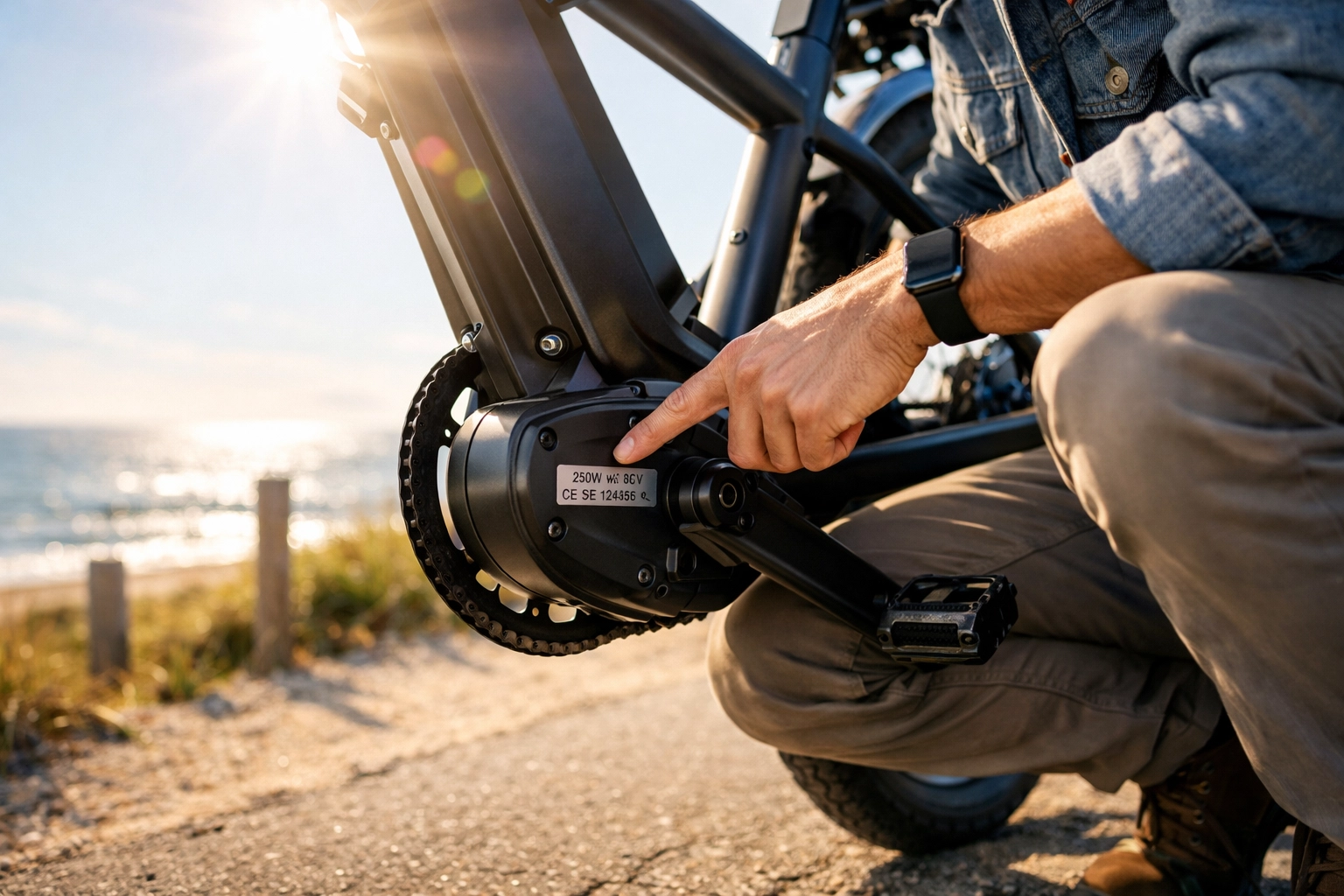
- Check the Motor: Look for a sticker or an engraving on the motor. It should say "250W." If it says 500W, 750W, or nothing at all, you might have an issue.
- Test the Cut-off: While riding (in a safe spot!), see if the motor stops helping you once you hit 15.5mph. Most displays will show your speed clearly.
- Check the Throttle: If your bike moves faster than a walking pace without you pedaling, it’s probably not a legal EAPC.
- Look for the Label: Legal e-bikes should have a visible label stating the manufacturer, the battery voltage, and the maximum motor speed.
- The "Common Sense" Test: Does your bike feel like a bicycle with a boost, or does it feel like a motorbike? If it’s the latter, the law likely agrees with you.
If you’re unsure, the best thing you can do is bring it down to us. We can take a look at your setup and let you know exactly where you stand. It’s much better to find out from a friendly mechanic than from a police officer with a recovery truck.
Final Thoughts from Tony
At the end of the day, we want Portsmouth to be a city of cyclists. E-bikes are an incredible way to get more people out of cars and onto two wheels. The recent seizures shouldn't scare you off e-biking; they should just serve as a reminder that the rules are there to keep everyone safe.
By sticking to the 250W limit, ensuring your speed stays within the legal assistance range, and avoiding "dodgy" DIY kits, you can enjoy your ride without looking over your shoulder.
If you have any doubts about your bike, or if you’re thinking about getting a conversion and want to make sure it’s done right, pop in and see us at GC Bike Repairs. We’ll get you sorted, keep you legal, and most importantly, keep you riding!
Stay safe out there, Portsmouth!
: Tony & The GC Bike Repairs Team