
Are You Making These Common Bike Security Mistakes in Southsea and Gosport?
Posted by Tony Childs on
Bike theft is unfortunately a reality for cyclists across the UK, and the coastal areas of Southsea and Gosport are no exception. With busy shopping areas, popular seafronts, and numerous commuter routes, these locations see their fair share of opportunistic thieves looking for an easy target.
The good news? Most bike thefts happen because of preventable security mistakes. Whether you're popping into Gunwharf Quays for a quick shop, commuting to the Naval Base, or enjoying a ride along Southsea Common, avoiding these common errors can be the difference between finding your bike where you left it and facing that sinking feeling of an empty bike rack.
Let's dive into the most frequent security mistakes cyclists make and, more importantly, how you can avoid them.
Mistake #1: Only Locking Your Frame OR Your Wheels (But Not Both)
This is probably the biggest mistake we see cyclists make around Portsmouth. You'd be amazed how many people think locking just the frame to a bike rack is enough, or worse, only securing the front wheel.
Here's the harsh reality: if you only lock your frame, thieves can simply remove your wheels and walk away with expensive components. If you only lock your wheels, they'll detach them and make off with your frame, seat, and everything else.
The solution is simple but often overlooked – you need to lock your frame AND your back wheel together to a secure object. Try to fill as much of your lock's space as possible with your bike parts. This makes it much harder for thieves to get leverage with cutting tools.
Mistake #2: Choosing Terrible Locking Locations
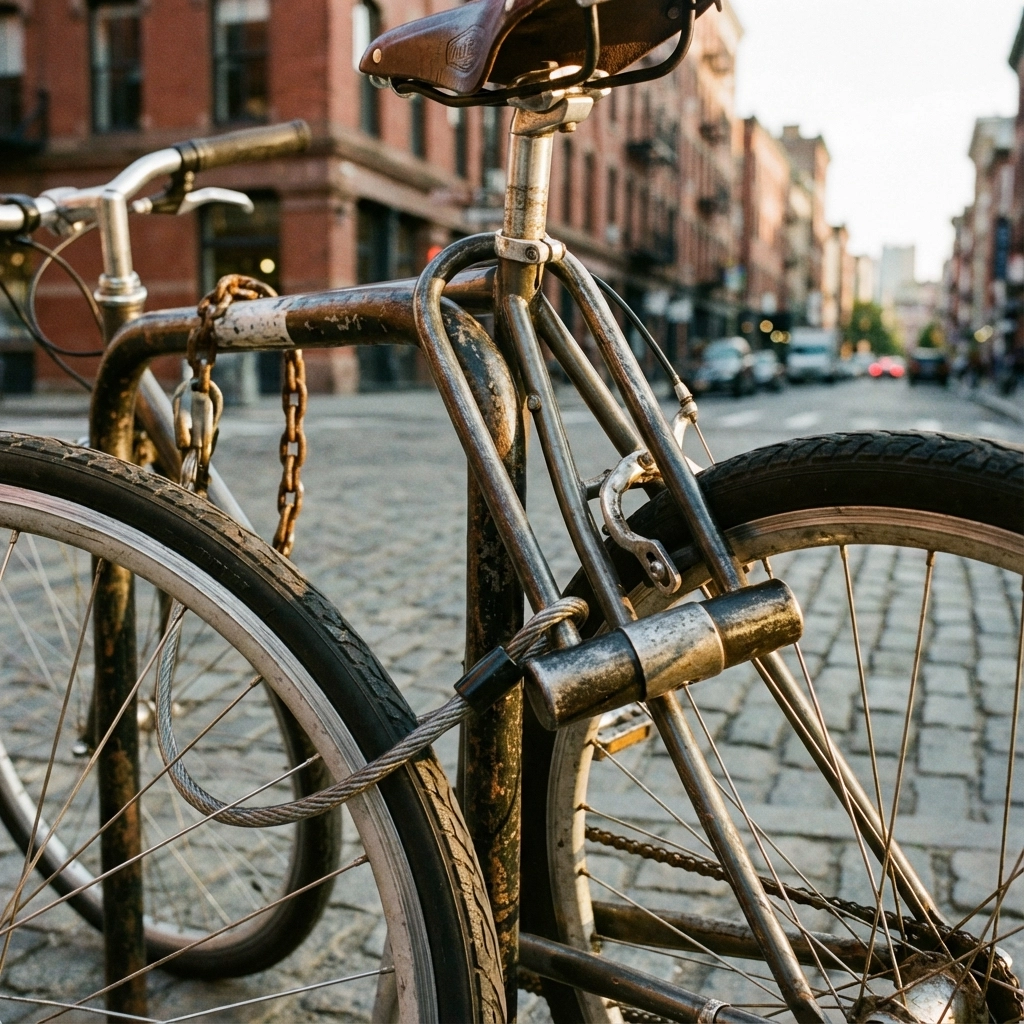
Walking around Southsea, you'll often see bikes locked to the flimsiest objects imaginable – thin signposts, temporary barriers, or even trees that could be damaged by bolt cutters.
Before you lock up, give whatever you're attaching to a good shake test. Is it firmly secured to the ground? Could someone lift your entire bike over the top? We've seen bikes locked to posts that thieves simply unscrewed from the ground.
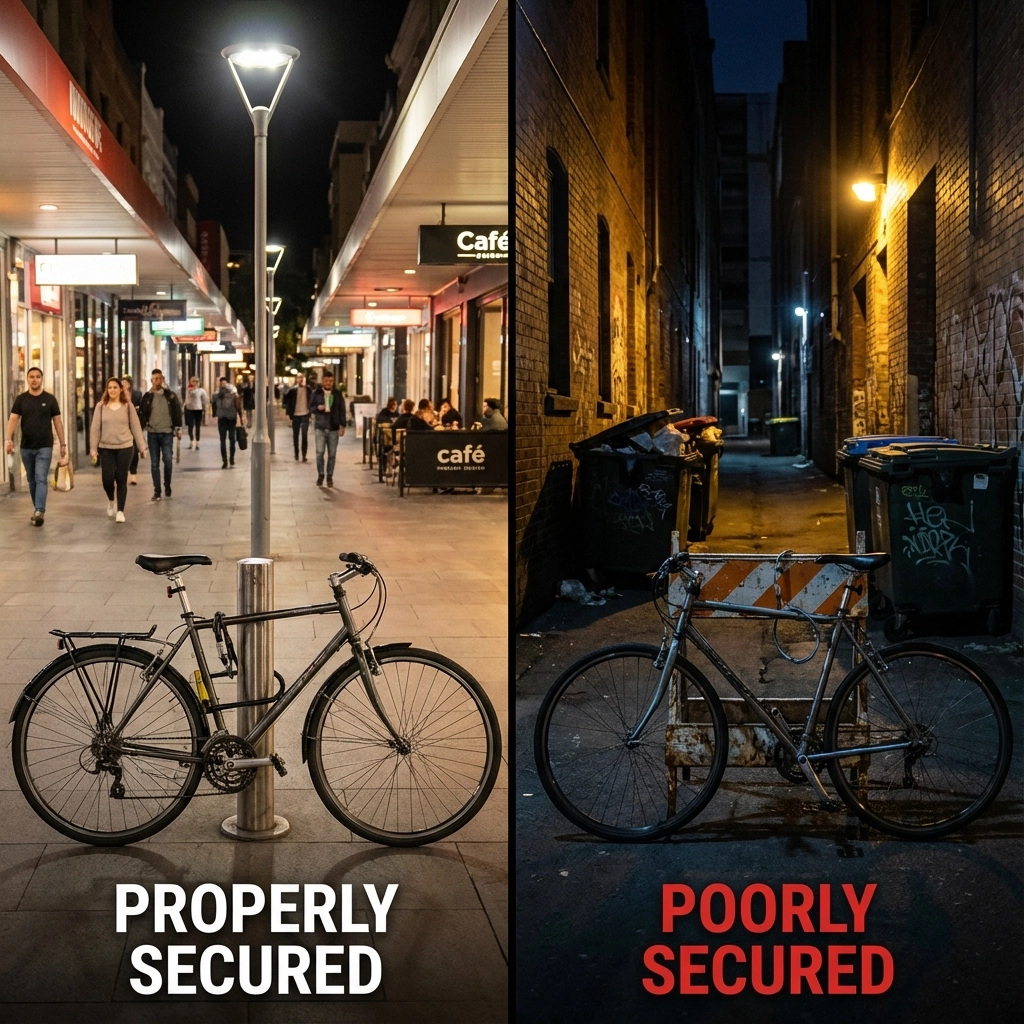
Look for proper bike racks, thick steel posts, or substantial railings that are clearly permanent fixtures. In Southsea, the council has installed proper bike parking near the seafront and around Albert Road – use these when possible.
Also, think about visibility. While you don't want to advertise your expensive bike, parking in completely secluded areas makes it easier for thieves to work undisturbed. Find that sweet spot – visible enough to deter opportunistic theft, but not so prominent that you're advertising your bike to every passer-by.
Mistake #3: Using One Cheap Lock (When You Should Use Two Good Ones)
Here's the thing about locks – thieves come prepared with the tools to defeat the most common types. If you're using a single cable lock, you might as well be using string. Cable locks can be cut in seconds with simple bolt cutters.
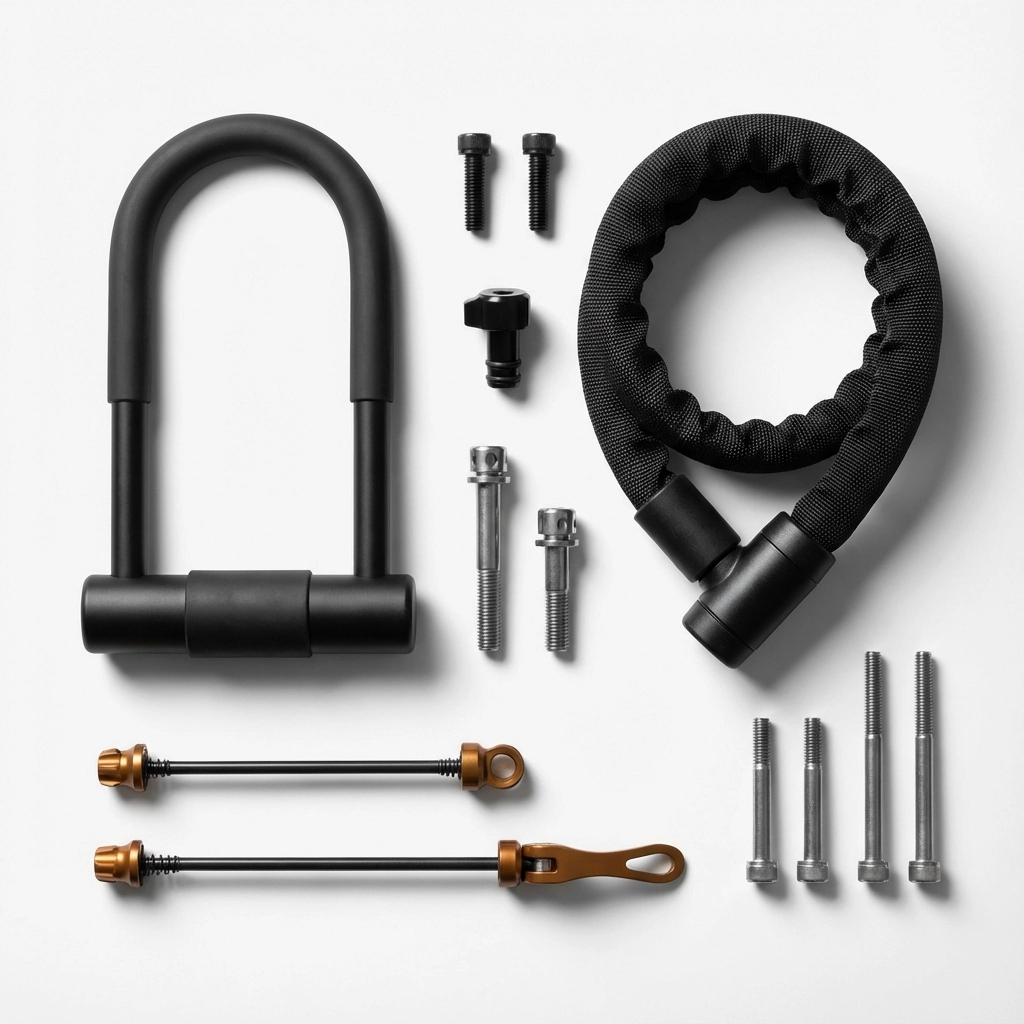
The gold standard is using two different types of locks. A good D-lock for your frame and back wheel, plus a cable lock to secure your front wheel and any accessories. Why two different types? Because thieves typically carry tools to defeat one type of lock, not multiple types.
Look for "Sold Secure" ratings when buying locks. These aren't cheap, but they're far less expensive than replacing your entire bike. Remember – your lock should be worth about 10% of your bike's value.
Mistake #4: Ignoring Your Quick-Release Components
Bike thieves aren't just after complete bikes – they're often looking for valuable parts they can quickly remove and sell. Wheels, saddles, and even handlebars can disappear in minutes if they have quick-release mechanisms.
Your saddle is particularly vulnerable, especially those nice expensive ones. If it has a quick-release clamp, either loop a cable lock through the saddle rails or consider replacing the quick-release with regular bolts.
The same goes for your front wheel. If it's got a quick-release skewer, either secure it with your cable lock or swap it for bolt-on axles. Yes, it's less convenient when you need to remove the wheel for transport, but it's much less convenient for thieves too.
Don't forget about accessories either. Lights, computers, bags – anything that can be removed quickly should be taken with you or secured. Those expensive LED lights are prime targets around the darker months.
Mistake #5: Posting Your Location on Social Media
This might seem paranoid, but thieves are getting smarter about using technology to their advantage. That innocent photo of your new bike outside your regular coffee shop in Albert Road? You might have just advertised your routine to potential thieves.
If you do post photos of your bike, turn off location services or at least avoid making it obvious where and when you regularly park. Thieves often scout locations and look for patterns – the same expensive bike in the same place at the same time each day is an easy target.
Mistake #6: Poor Lock Positioning and Maintenance
How you position your lock matters more than you might think. Keep your lock elevated off the ground so thieves can't use the pavement as an anvil to smash it with a hammer. The keyhole should face downward to prevent dirt and rain from getting in.
Also, maintain your lock properly. A sticky, hard-to-open lock isn't just annoying – it's a security risk. If your lock is difficult to engage properly, you might not secure it correctly in a rush. Keep it lubricated and working smoothly.
When carrying your lock while riding, use a proper frame mount or carry it in a bag. We've seen expensive brake calipers damaged by heavy D-locks bouncing around on bike frames.
Mistake #7: Trusting Covered or "Safe" Areas Too Much
Just because you're parking in what feels like a secure location doesn't mean you can relax your security measures. Covered car parks, residential bike sheds, and even workplace bike storage can be targeted by thieves who know these areas are less likely to be monitored.
In fact, some of the worst bike thefts happen in places where people felt safe and used minimal security. That "quick pop into the shops" mentality is exactly what thieves count on.
What To Do If Your Bike Goes Missing
Despite your best efforts, if your bike does get stolen, act quickly. Report it to Hampshire Police immediately – even if you think they won't do much, having a crime number is essential for insurance claims.
Check local Facebook groups, Gumtree, and bike selling sites. Stolen bikes often appear online within hours. Take photos of your bike's serial number and any distinctive features before anything happens – it makes identification much easier.
Getting Professional Help
If you're not confident about your bike security setup, or if you need help replacing quick-release components with more secure alternatives, don't hesitate to ask for professional advice. At GC Bike Repairs, we can help you assess your bike's vulnerabilities and suggest practical security upgrades that fit your budget and usage patterns.
Remember, investing a bit in security now is always cheaper than replacing your entire bike later. Whether you're a casual weekend rider or a daily commuter cycling between Gosport and Portsmouth, taking bike security seriously will help ensure your bike stays where you left it.
The key is making your bike a harder target than the one next to it. Thieves are looking for easy opportunities – don't give them one.